The Best Boutique Hotel Designs


In recent years, boutique hotel design has caught the interest of both guests and investors. These hotels offer an intimate experience that big chain hotels can’t. In this post we explain what to pay attention to in boutique hotel design.
What is a boutique hotel?
What is a boutique hotel? Boutique hotels are places to stay that offer personalized service. They usually have architecture that fits the cultural character of their location. They also give their guests warm, personal service.
Most boutique hotels don’t have a pool or large ballrooms. Instead, personalized service comes first. So guests feel as if they are at home, not in a crowded hotel.
What should boutique hotel design look like?
The architectural approach in boutique hotels is generally more minimal than in other hotels. The design reflects the architectural and cultural character of its region. That way the hotel gains an identity that fits its surroundings and stays in the mind.
Design that reflects the local character
The building itself is the first part of the hotel’s story. For example, a stone village house or an old mansion directly defines the hotel’s character. Local materials, craftsmanship and natural colors come up often in projects like these.
Modern boutique hotel design
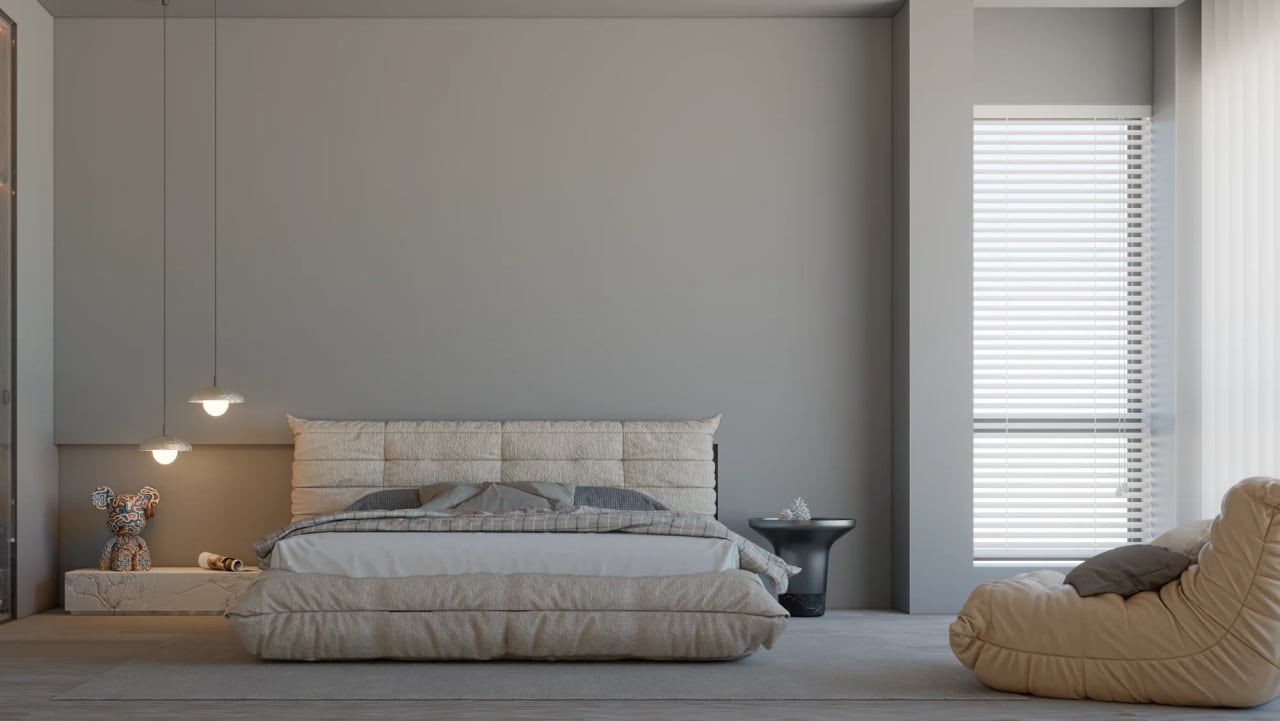
But not every boutique hotel has to carry the character of its region. In recent years, modern boutique hotel designs have also become very popular. These projects feature clean lines, light colors and functional furniture. Still, a modern hotel should also have a warm, welcoming atmosphere.
Personalized service and spatial layout
What really sets boutique hotels apart is their personalized service. The spatial layout should support that service. For example, a small but warm lobby works like a meeting place for guests. Giving each room a different theme is another method we often use.
It is also important for guests to feel comfortable in the shared areas. So details like seating corners, a bookcase or a small garden make a difference.
Entrances, exits and easy access to services
Like any hotel, a boutique hotel needs a functional plan. Entry and exit points should be clear. Guests also need easy access to the dining area and other services. This convenience is one of the reasons guests choose boutique hotels.
That is why circulation planning needs special care in boutique hotel design. In fact, it is one of the most important parts of the design.


How do you design a boutique hotel?
When designing a boutique hotel, you need to answer three questions at the start. What theme will the hotel follow, what style will it take, and where will it be? These three criteria shape every decision in the project.
Choosing a theme
The theme is the hotel’s story. Carrying the region’s cultural features into the theme draws guests’ interest strongly. For example, in a seaside town, the sea and fishing culture make a strong theme.
Style and materials
Style is how the theme shows up in the space. Wood, stone and natural textures create a warm mood. Concrete and metal, on the other hand, give a more modern look. But whatever style you choose, a clean, airy space always comes first.
Location and scale
The location sets the limits of the design. In a historic building, conservation rules take priority. In a new building, fitting in with the surroundings matters more. Boutique hotels also usually offer a simple room structure instead of many price categories.


See the design in advance with 3D visualization
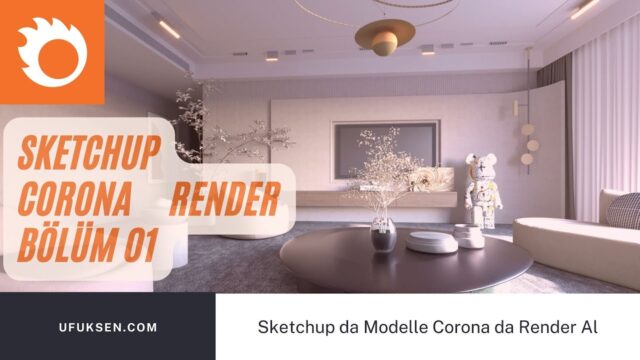
In a boutique hotel project, the investor and the operator want to see the result before construction. This is where 3D visualization makes things much easier. You can try material, lighting and furniture decisions on the model and change them quickly.
A model you build in SketchUp gives you a fast base for testing different themes. For example, you can visualize the same room with two different material sets and compare them. That way, when you talk to the investor, you work with concrete images instead of abstract ideas.
See our architectural visualization and interior design posts on the topic. Our lesson on a realistic boutique interior scene with V-Ray 5 will also give you ideas.
Frequently asked questions
What is the difference between a boutique hotel and a classic hotel?
A boutique hotel is built on personalized service and an intimate atmosphere. Classic hotels usually offer a bigger, more standardized service.
Why are boutique hotel designs more minimal?
Because the goal is a warm, comfortable setting, not showing off. A simple design makes the local character and the hotel’s theme stand out more.
Where should boutique hotel design start?
First pin down the location and the theme. Then plan the style, materials and circulation around that theme.