100 TL Render? 1,000 TL Render? Cheap Work or Quality?


Cheap render or quality render? Designers and clients keep coming back to this question. In this video, we talked about the balance between quality and price in 3D project and visualization work. Does quality matter to you, or only the price? How do the images you get done cheaply affect the sale of your design? In this article, we look for answers to these questions.
We don’t give any figures here, because our aim is not to publish a rate card but to show the factors that decide quality. In the video, we also discussed the difference between careless, off-the-books work and a real commitment to quality.
Video: the cheap render vs quality debate
The video runs about fourteen minutes. We discuss the topic from both the designer’s and the client’s point of view.
 YouTube
The image is your design’s shop window
A designer or a contractor often sells a project through images. The client can only imagine a building that isn’t built yet by looking at the render. So the quality of the image directly shapes how the design is perceived. A good design loses its value when it is presented with a bad image. (The video is in Turkish; this guide walks through the key steps in English.)
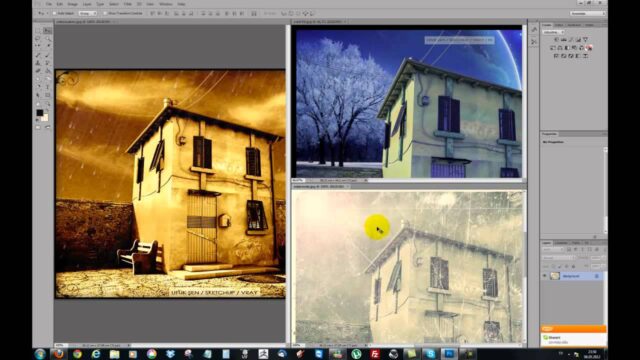
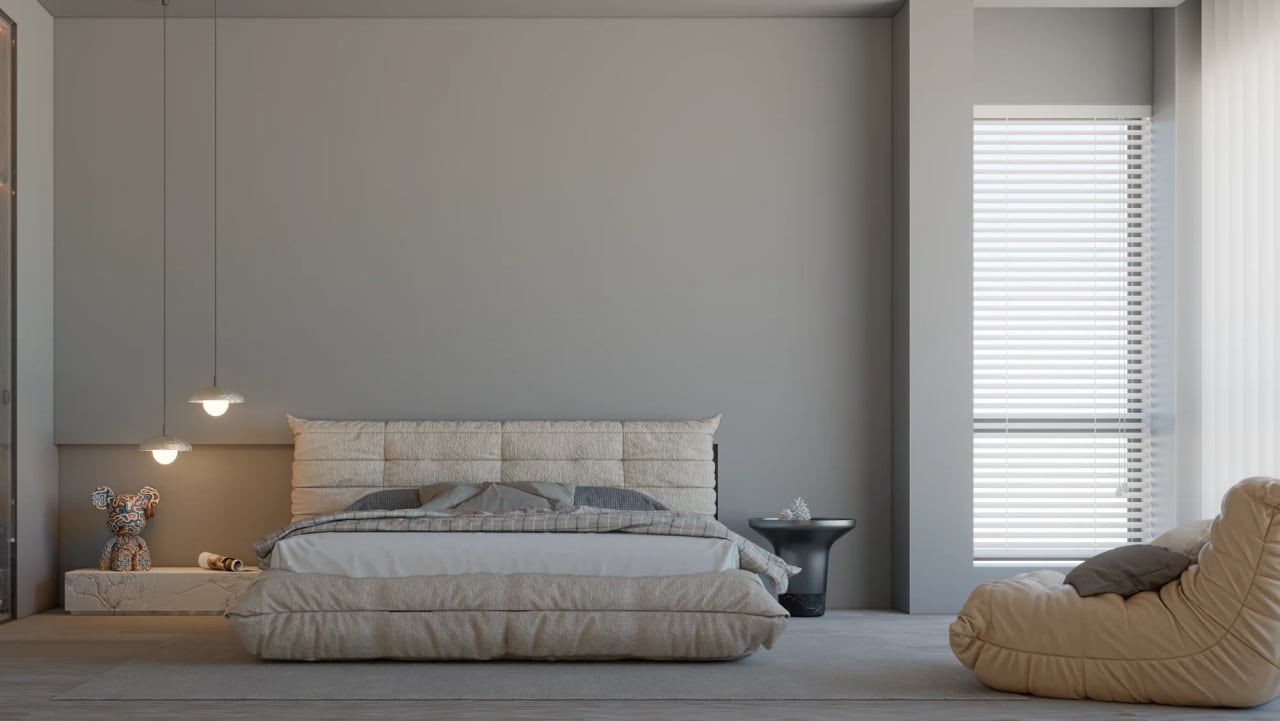
For example, picture the same apartment in two different images. In one, the light is natural, the materials are realistic and the framing is balanced. In the other, the surfaces look like plastic, the light is flat and the camera is random. In the second image, the buyer notices the flaws, not the apartment. In the end, while trying to save money, you lose the sales opportunity.
Common problems in cheap render work
Over the years, we have run into similar problems in work done for very low fees. The list below is a short summary.
- Model without accurate dimensions: The image doesn’t reflect the project’s real dimensions.
- Recycled scene: Another project’s scene shows up again with minor changes.
- Low resolution: The image passes on screen but falls apart in print.
- Weak lighting: The space looks either too dark or unnaturally bright.
- Revision problems: Communication breaks off at the first correction request.
Most of these problems actually come from a lack of planning. But a very low fee forces the designer to rush. Then the effort drops, and quality drops with it.
What decides the quality of a render?
There are a few basic steps behind a good image. Each step takes time and knowledge. If one of them is missing, the final image falls short too.
- Accurate model: Modeling that stays true to the plan and the real dimensions.
- Material knowledge: Materials with the right scale, reflection and texture.
- Lighting setup: A balanced use of daylight and artificial light.
- Camera and composition: Angles that bring out the design’s strengths.
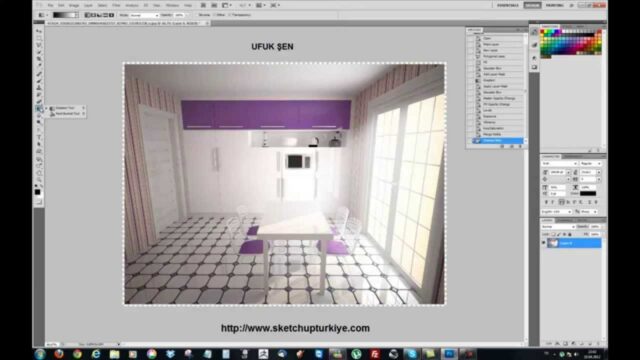
- Final edit: A finishing touch with color and tone adjustments.
The render engine you use also affects the process. For example, real-time engines such as Enscape shorten the time. But however fast the engine is, the knowledge of light and materials still comes from the designer.
The difference between a 3D operator and a visualization artist
There is one more distinction we touched on in the video. Anyone who knows how to use the program can produce an image. But not everyone who produces images is a visualization artist. An artist thinks about light, atmosphere and story. We explained this distinction in detail in our article To Be a 3D Artist or Not.
What to ask when you get a cheap render quote
As a client, comparing only the price is misleading. Look at what the quote includes instead. You can ask every designer the following questions in the same way.
- Can I see examples of your previous work?
- How many images will you deliver, and at what resolution?
- How many revisions do I get?
- Will you build the model to the plan, with accurate dimensions?
- What is the delivery time?
If the answers are clear, the quote is clear. If the answers are vague, the low fee turns into extra cost later. We had a similar discussion in our article on cheap 3D project offers. We gathered the factors that set the price in our 3D project prices article.
Our stance as designers
It is natural for a new designer to work for an affordable fee to build a portfolio. But constantly lowering the value of your work wears out both the person and the industry. So know the value of your own work and explain your quote with its reasons. A well-explained quote is far more convincing than a low number.
Frequently asked questions
Is a cheap render always bad?
Not always. But a very low fee usually means something is missing in the model, the lighting or the revisions. So always ask what the quote includes.
How can you tell a cheap render from a quality render?
Look at sample work. Lighting, materials and dimensional accuracy give away the quality at first glance.
Why are there no figures in this article?
Because fees keep changing with the project and the period. We prefer to explain the factors that set the fee instead.